
How Dirty Air Filters Can Damage Your Heating System Over Time
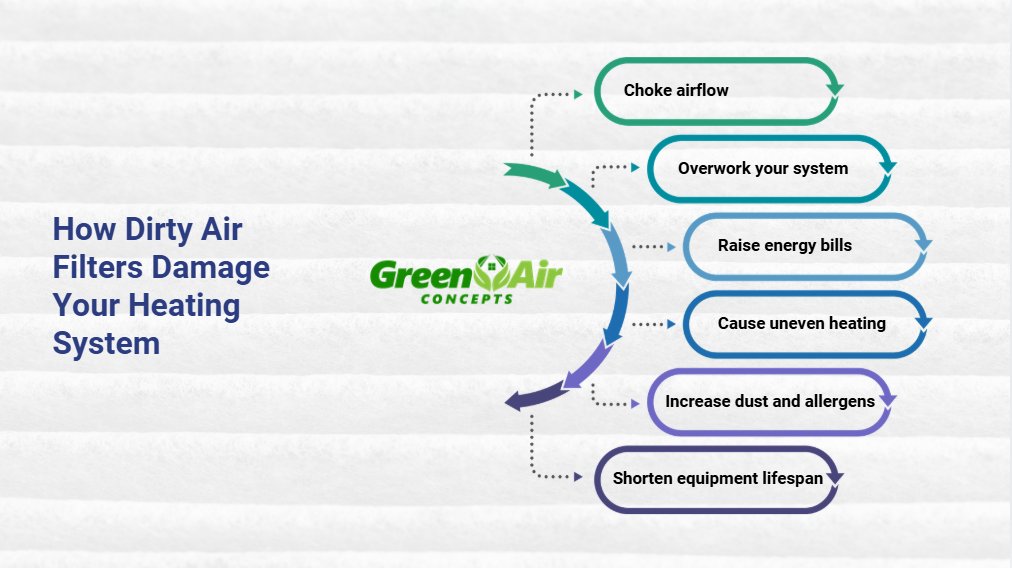
How dirty air filters can damage your heating system over time is a question many homeowners in Ardmore and the Main Line suburbs do not think about until comfort drops or energy bills rise. Your heating system relies on steady airflow to move warm air through your home. The air filter sits at the center of that process, trapping dust, pollen, and debris before they reach sensitive components. When that filter becomes clogged, airflow slows, temperatures become uneven, and the entire system is forced to work harder than it should. Over the course of a Pennsylvania winter, this extra strain can shorten equipment life, increase repair costs, and reduce safety and efficiency. Understanding the chain reaction that starts with a dirty filter helps homeowners protect their heating investment and avoid unnecessary breakdowns.
Why Airflow Matters More Than You Think
Every heating system, whether it is a furnace, heat pump, or boiler with forced air distribution, is designed around a specific amount of airflow. That airflow carries heat from the system into living spaces and keeps internal components operating within safe temperature ranges. When the filter is clean, air moves freely, heat transfers efficiently, and the system cycles on and off as intended. When the filter is clogged, the system must pull air through a restricted pathway, which immediately changes how it operates.
Reduced airflow leads to longer run times because the system struggles to deliver the heat your thermostat requests. Longer run times increase fuel or electricity use, which is one reason heating bills often spike when filters are neglected. More importantly, restricted airflow causes heat to build up inside the unit. In furnaces, this can overheat the heat exchanger. In heat pumps and air handlers, it can strain blower motors and electrical components. Over time, these conditions accelerate wear and raise the risk of sudden failure.
Homeowners in Newtown Square, Bala Cynwyd, and Villanova often notice the symptoms before they understand the cause. Rooms may heat unevenly, airflow from vents may feel weak, or the system may cycle on and off more frequently. These are not just comfort issues. They are warning signs that the system is under stress and that a simple filter change could prevent much larger problems.
The Hidden Damage a Dirty Filter Causes Inside Your System
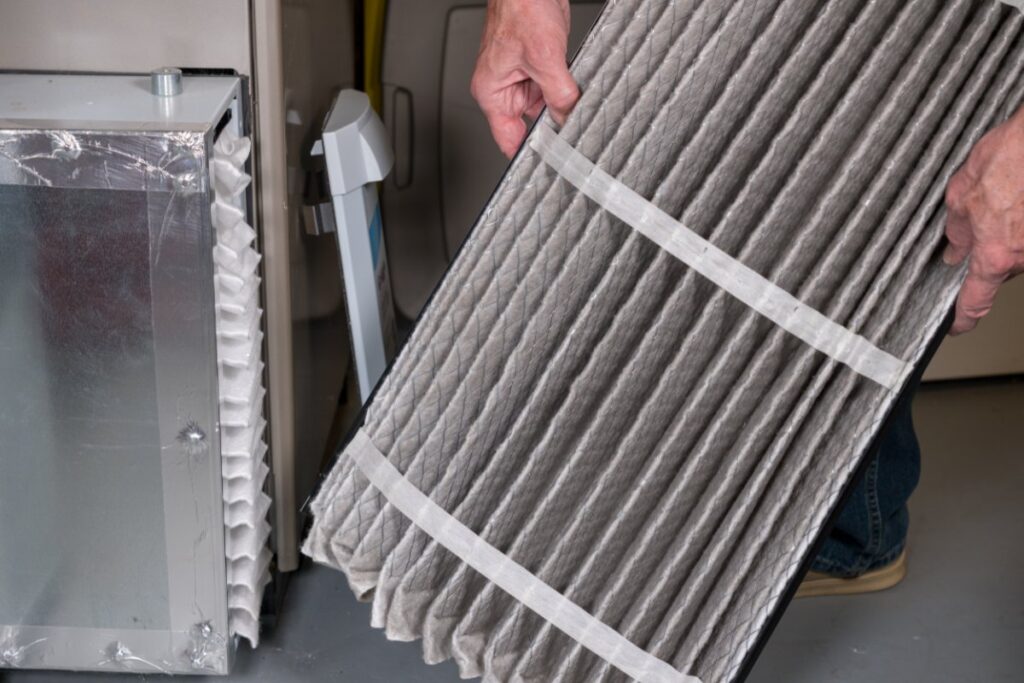
A clogged filter does not only block air. It sets off a series of mechanical and thermal stresses that affect multiple components. One of the first parts to suffer is the blower motor. This motor is responsible for pushing air through the ductwork. When resistance increases, the motor must work harder to maintain airflow. That extra workload increases electrical draw and heat buildup in the motor, which can shorten its lifespan or lead to premature failure.
Heat exchangers in furnaces are also at risk. When airflow is restricted, heat does not move away from the exchanger as quickly as it should. This causes higher operating temperatures and repeated overheating cycles. Over time, this stress can contribute to cracks or warping in the metal. A damaged heat exchanger is not only expensive to replace but also a serious safety concern because it can allow combustion gases to enter the living space.
Control systems and safety switches are affected as well. Many modern systems are designed to shut down if temperatures rise too high or airflow drops too low. While this protects the equipment, frequent shutdowns and restarts increase wear on ignition systems, control boards, and sensors. What begins as a simple maintenance issue can turn into repeated service calls and growing repair bills.
For homeowners searching for furnace repair or heater service, it is worth noting that many common failures traced during inspections begin with poor airflow caused by dirty filters. Preventive care is far less expensive than repairing or replacing damaged components.
How Dirty Filters Increase Energy Costs in Main Line Homes
Energy efficiency is one of the first things homeowners notice when filters are neglected. A heating system with restricted airflow cannot deliver heat as effectively, so it runs longer to reach the thermostat setting. Longer run times mean higher fuel or electricity use. In older Main Line homes, where insulation and ductwork may already present challenges, the impact can be even more noticeable.
Another factor is heat distribution. When airflow drops, some rooms may never reach the desired temperature. Homeowners often respond by turning the thermostat higher, which only forces the system to run even longer. This creates a cycle of rising energy use without real improvements in comfort. A clean filter, combined with proper airflow and duct balance, helps the system deliver heat more evenly and efficiently.
Professional HVAC maintenance often includes airflow testing and filter checks because these two factors play such a large role in overall efficiency. Technicians frequently find that a simple filter replacement restores performance and reduces operating costs almost immediately.
Indoor Air Quality Suffers Along With Your Equipment
Air filters are not only about protecting equipment. They also play a major role in indoor air quality. When filters become clogged, they can no longer trap particles effectively. Dust, pet dander, and allergens begin to circulate more freely through the home. At the same time, restricted airflow can cause dust to settle inside ducts and on internal components, where it is repeatedly stirred up and redistributed.
For families in the Ardmore area with allergies or respiratory sensitivities, this can make winter months especially uncomfortable. Dry winter air already irritates sinuses and skin. Adding higher levels of airborne dust and allergens makes symptoms worse. Clean filters help reduce these issues by keeping contaminants out of the air stream and supporting healthier circulation.
In some cases, homeowners notice more frequent dust buildup on furniture or musty odors from vents. These are often signs that filtration and airflow need attention. Pairing regular filter changes with seasonal service helps maintain both comfort and cleaner indoor air throughout the heating season.
How Often Filters Should Be Replaced and Why It Varies
Most standard residential filters should be checked monthly during the heating season and replaced every 30 to 60 days. However, there is no single schedule that fits every home. Several factors influence how quickly a filter becomes clogged. Homes with pets, higher occupancy, or recent renovations tend to load filters faster. Higher efficiency filters that trap smaller particles may also need more frequent replacement because they capture more debris.
System usage matters as well. During cold Pennsylvania winters, heating systems often run daily for long periods. This steady operation pulls more air through the filter, which means it fills up faster than it would during milder seasons. That is why fall and winter are critical times to stay on top of filter care.
A professional air conditioning tune up or heater tune up includes checking filter condition, verifying airflow, and making recommendations based on your specific system and home. This personalized guidance helps homeowners avoid both under replacing and over replacing filters.
The Connection Between Filters and Long Term System Lifespan
Heating systems are long term investments, and their lifespan depends heavily on how they are maintained. Dirty filters quietly shorten that lifespan by increasing wear on motors, heat exchangers, and control systems. Each season of restricted airflow adds stress that cannot be undone. Over years, this accumulated damage shows up as more frequent repairs, declining performance, and earlier replacement.
In contrast, consistent filter maintenance supports stable operating conditions. Components stay within safe temperature ranges, motors operate with less strain, and the system cycles as designed. This reduces the likelihood of major failures and helps homeowners get the full expected life from their equipment.
For those considering hvac installation in the future, maintaining current equipment well also preserves resale value and provides clearer insight into when replacement is truly necessary. A system that has been cared for properly tells a more reliable story during inspections and evaluations.
When a Dirty Filter Becomes a Repair Issue
Sometimes the damage caused by poor filtration has already begun. Homeowners should consider scheduling professional service if they notice persistent issues such as weak airflow, frequent system shutdowns, unusual noises, or unexplained increases in energy bills. These symptoms often indicate that restricted airflow has already stressed key components.
In these situations, relying on simple filter changes alone may not be enough. A full inspection can identify whether motors, sensors, or heat exchangers have been affected. For residents searching for HVAC repair or heating and air repair, timely service can prevent a minor airflow issue from turning into a major breakdown during the coldest weeks of winter.
Emergency situations can also arise when systems overheat or fail due to prolonged restriction. If your system stops working during extreme weather, HVAC emergency repair services are essential to restore heat safely and quickly. Many of these emergencies are preventable with routine filter care and seasonal maintenance.
How Professional Maintenance Complements Filter Care
Changing filters is one of the simplest and most important homeowner tasks, but it is only part of a complete maintenance strategy. Professional service addresses the areas you cannot see or safely access. During a visit, technicians inspect blowers, clean coils, check electrical connections, test safety controls, and verify proper airflow throughout the system.
This comprehensive approach ensures that a clean filter can do its job effectively. It also catches early signs of wear or imbalance that could otherwise go unnoticed. For homeowners searching among trusted HVAC contractors, this partnership provides peace of mind and more predictable performance through the winter.
Professional maintenance also creates a maintenance record, which helps track system condition over time. This information becomes valuable when planning future upgrades or replacements and helps ensure that decisions are based on facts rather than sudden failures.
Key Takeaways
- Dirty air filters restrict airflow and force heating systems to work harder.
- Restricted airflow increases wear on blower motors, heat exchangers, and controls.
- Clogged filters raise energy bills and reduce comfort in Main Line homes.
- Poor filtration worsens indoor air quality and increases dust and allergens.
- Regular filter changes and professional maintenance protect system lifespan and safety.
How dirty air filters can damage your heating system over time is not just a technical concern. It is a practical issue that affects comfort, safety, and household budgets throughout Pennsylvania winters. A simple, affordable habit such as replacing filters on schedule helps prevent overheating, reduces strain on critical components, and keeps energy use under control. When combined with seasonal professional care, this routine protects your system and extends its useful life. If you want reliable performance, lower heating costs, and fewer winter surprises,
Contact Green Air for hvac maintenance near me and ensure your heating system stays clean, efficient, and dependable all season long.
Need HVAC Service?
Contact the experts at Green Air Concepts.
Call us at 484.222.1233