
How to Know If a Furnace Repair Is Delaying the Inevitable
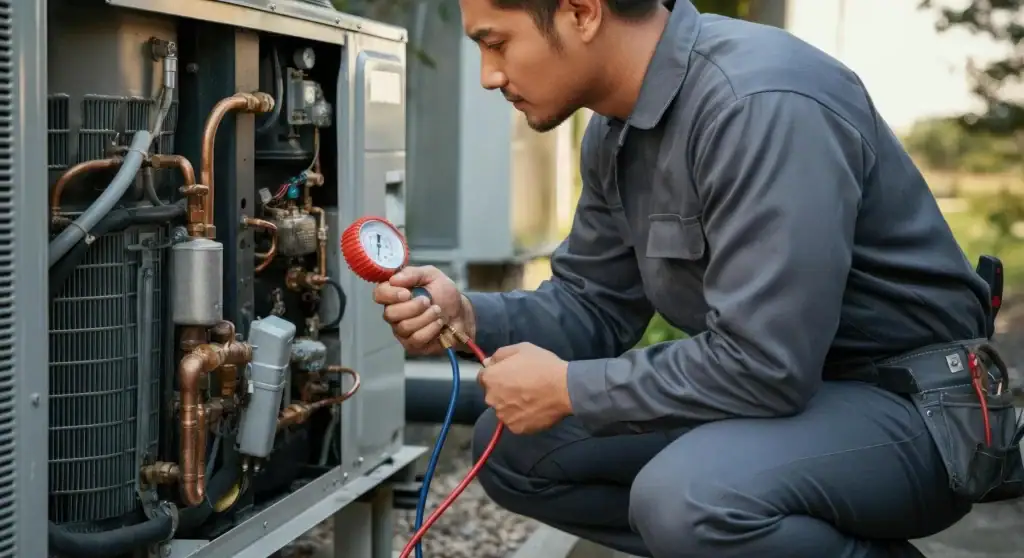
Knowing if a furnace repair is delaying the inevitable is a concern many homeowners in Ardmore and the Main Line suburbs face once winter approaches. When a furnace breaks down, the first instinct is often to repair it and move on. In many cases, that decision makes sense. However, there comes a point when repeated repairs no longer solve the underlying problem and only postpone a larger expense.
Pennsylvania winters demand reliable heating. A system that struggles to keep up, even after repairs, can lead to rising bills, uneven comfort, and unexpected breakdowns. Understanding the difference between a worthwhile repair and a temporary fix helps homeowners protect their comfort, budget, and peace of mind before the coldest weather arrives.
Repeated Repairs and Growing Costs
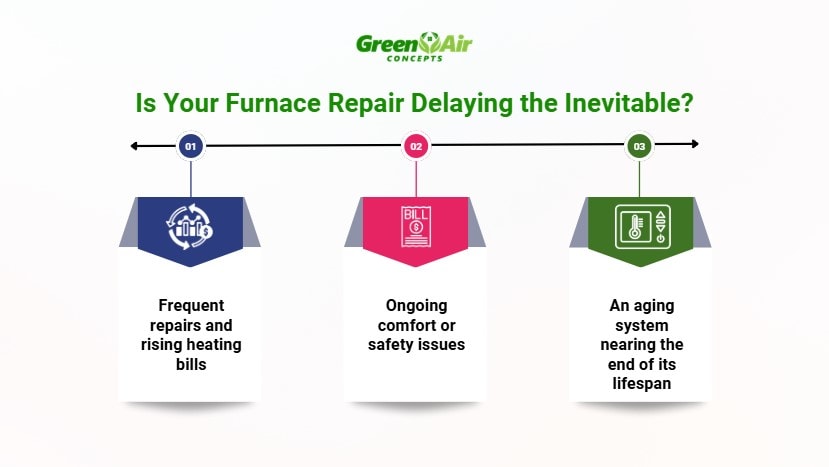
One of the clearest signs that a furnace repair may be delaying the inevitable is frequency. If your system has required multiple service calls in the past one or two heating seasons, the pattern matters more than the individual repairs. A single failed part is normal. A series of breakdowns often signals widespread wear.
Older furnaces experience gradual deterioration of internal components such as heat exchangers, blower motors, and control boards. Repairing one part at a time may keep the system running, but it does not restore overall reliability. Over time, repair costs begin to add up, sometimes approaching the price of a new system.
Homeowners across Bryn Mawr, Bala Cynwyd, and Havertown often find that annual repair expenses steadily increase. At that point, continued furnace repair may no longer be the most cost-effective option.
Declining Efficiency and Rising Heating Bills
Another warning sign is a noticeable increase in heating costs. Even after repairs, an aging furnace may operate less efficiently than it once did. Worn components, outdated technology, and airflow limitations all contribute to higher fuel consumption.
If your heating bills climb every winter despite normal usage, the furnace may be compensating for internal inefficiencies. Repairs can restore basic operation but rarely bring an older system back to modern efficiency standards.
When a furnace must run longer to produce the same amount of heat, homeowners pay the difference month after month. In many cases, replacing an inefficient system reduces long-term costs more effectively than continued repairs.
Uneven Heating and Comfort Issues
Comfort problems often persist even after repairs when a furnace is nearing the end of its lifespan. Cold rooms, temperature swings, and short cycling are common complaints. These issues indicate that the system can no longer distribute heat evenly throughout the home.
Older ductwork and aging blowers may contribute, but the furnace itself often lacks the capacity or control precision to maintain consistent comfort. If adjustments and repairs do not resolve uneven heating, replacement may be the more reliable solution.
Homeowners in older Main Line homes may notice these issues more often due to a combination of aging systems and building layouts that demand consistent performance.
Safety Concerns That Should Not Be Ignored
Safety is one area where delaying replacement carries serious risk. Cracked heat exchangers, corrosion, and combustion issues become more common as furnaces age. These problems can lead to carbon monoxide leaks or system shutdowns designed to protect occupants.
While some safety issues can be repaired temporarily, repeated warnings or recurring safety-related shutdowns should be taken seriously. At a certain point, replacing the system is safer than attempting further fixes.
Annual inspections help identify these risks early, but if the same concerns appear year after year, replacement is often the responsible choice.
Age and Expected System Lifespan
Age alone does not determine whether a furnace should be replaced, but it is an important factor. Most furnaces have a typical lifespan of 15 to 20 years with proper maintenance. As systems approach or exceed this range, repairs become more frequent and less predictable.
Older units also lack modern efficiency features and control technology. Even a well-maintained furnace eventually reaches a point where replacement provides better reliability and value than continued service.
If your furnace is more than 15 years old and showing signs of decline, it may be time to evaluate options beyond repair.
When Repairs Still Make Sense
Not every furnace issue means replacement is necessary. Minor repairs, isolated component failures, and systems with a solid hvac maintenance history often benefit from targeted service. A professional evaluation helps determine whether the repair addresses the root cause or simply delays the next problem.
Homeowners who schedule regular maintenance and address issues promptly often extend system life significantly. The key is understanding whether the repair restores dependable performance or only provides short-term relief.
Professional Evaluation Makes the Difference
Determining whether a furnace repair is delaying the inevitable requires experience and honest assessment. Qualified hvac contractors can evaluate repair history, efficiency, safety, and overall system condition.
A professional assessment includes inspecting internal components, measuring performance, and discussing long-term costs. This information allows homeowners to make informed decisions rather than reacting to the next breakdown.
Key Takeaways
- Frequent repairs often signal deeper system decline
- Rising energy bills indicate efficiency loss that repairs may not fix
- Persistent comfort issues suggest limited remaining lifespan
- Safety concerns increase with aging furnaces
- Professional evaluation helps determine the best path forward
Knowing how to know if a furnace repair is delaying the inevitable empowers homeowners to plan ahead rather than face emergency decisions in the middle of winter. Green Air Concepts provides expert furnace service for homeowners throughout Ardmore, Newtown Square, Merion, Drexel Hill and the surrounding Main Line suburbs.
Contact Green Air today to schedule an evaluation and determine whether your furnace needs another repair or a long-term solution for reliable winter comfort.