
Maintenance Tips for Older Heating Systems That Still Work
Maintenance tips for older heating systems matter more than many homeowners realize, especially in Ardmore and the surrounding Main Line suburbs where many homes still rely on furnaces and boilers that are well over a decade old. If your heating system still turns on and keeps your home warm, it may seem unnecessary to worry about extra care. The reality is that aging equipment needs more attention, not less. Pennsylvania winters place heavy demands on heating systems, and small issues that go unnoticed in fall can turn into major breakdowns in January. With the right approach, many older systems can continue to provide reliable heat, safer operation, and reasonable efficiency. The key is understanding what these systems need, what warning signs to watch for, and when professional service makes the difference between extending system life and facing an emergency replacement.
Why Older Heating Systems Need a Different Maintenance Approach
Older heating systems were built in a different era, often with heavier components and simpler controls, but that does not make them maintenance free. In fact, age introduces new risks that homeowners in Bryn Mawr, Bala Cynwyd, Havertown, and the surrounding areas should take seriously. Metal components expand and contract every winter, seals dry out, electrical connections loosen, and combustion parts slowly wear down. These changes rarely cause immediate failure, but they steadily reduce efficiency and reliability. An older furnace or boiler that once heated your home easily may now run longer cycles, burn more fuel, and struggle to keep temperatures consistent from room to room.
Another important factor is safety. As heating equipment ages, the risk of issues such as cracked heat exchangers, faulty burners, or deteriorating venting increases. These problems are not always visible and may not produce obvious symptoms until they become serious. Regular maintenance helps identify these risks early, before they compromise indoor air quality or household safety. For homeowners in older Main Line homes, where ductwork and insulation may also be outdated, proactive care is one of the most effective ways to avoid winter surprises.
Efficiency is also part of the equation. While older systems will never match the performance of modern high efficiency equipment, proper maintenance can prevent unnecessary energy loss. Clean components, correct airflow, and accurate thermostat control all help aging systems operate closer to their original design. This can make a noticeable difference in monthly heating bills, especially during long stretches of cold Pennsylvania weather.
Start With the Basics That Protect Performance
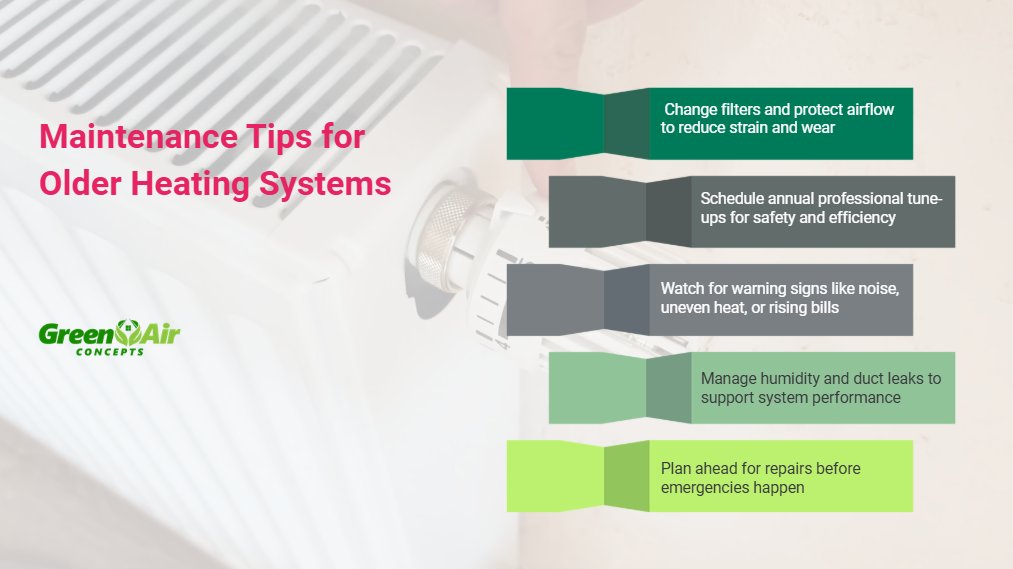
The simplest maintenance steps are often the most powerful, particularly for older heating systems. One of the most important tasks is regular filter replacement. When filters become clogged, airflow drops, and the system must work harder to move heat through your home. This extra strain increases wear on blower motors and heat exchangers, which are already under stress in older equipment. Replacing filters every 30 to 60 days during the heating season helps maintain proper airflow, supports cleaner indoor air, and reduces unnecessary strain on critical components.
Thermostat accuracy is another overlooked factor. Older systems paired with aging thermostats often suffer from calibration drift. This means the system may run longer than necessary or cycle too frequently, both of which increase energy use and wear. Checking thermostat accuracy and placement can improve comfort and prevent waste. If your home has uneven temperatures, especially between floors, airflow balancing and duct inspection become even more important. Leaky or poorly insulated ducts are common in older Main Line homes, and they can waste a significant portion of the heat your system produces.
Humidity management also plays a role. Older heating systems often dry out indoor air more aggressively, which can lead to static shocks, dry skin, and irritated sinuses. Maintaining proper humidity not only improves comfort but also helps protect wood floors, furniture, and even some system components from excessive drying and cracking. If your home has a humidifier, it should be cleaned and adjusted for winter operation. If it does not, a professional evaluation can help determine whether adding one would benefit both comfort and system performance.
The Importance of Annual Professional Tune Ups for Aging Equipment
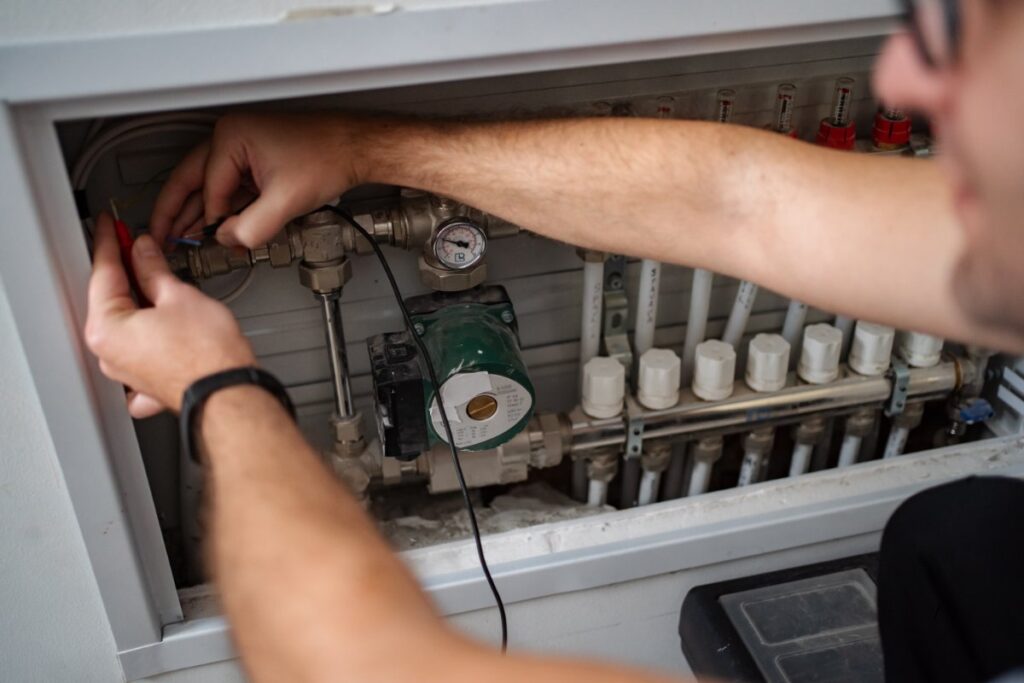
While homeowner maintenance tasks are valuable, older heating systems benefit most from professional seasonal service. An annual inspection and tune up allows technicians to evaluate parts that homeowners cannot safely or easily access. During a professional visit, technicians check combustion performance, inspect heat exchangers, test safety controls, verify electrical connections, and confirm that venting systems are operating correctly. These steps are especially important for aging equipment, where small defects can quickly turn into major safety or reliability concerns.
Professional service also focuses on efficiency. Cleaning burners, blowers, and internal components helps restore proper airflow and heat transfer. Even a thin layer of dust or soot can reduce performance and increase fuel consumption. For homeowners searching for hvac maintenance , working with a local team that understands older systems common in the Ardmore area can make a meaningful difference in both comfort and operating costs.
Another advantage of regular professional care is documentation. Service records help track the condition of your system over time, making it easier to spot patterns of decline or repeated issues. This information becomes valuable when deciding whether continued repairs make sense or whether it is time to plan for replacement. It also helps technicians provide more accurate recommendations tailored to your specific equipment and home layout.
Watch for Warning Signs That Older Systems Should Not Ignore
Older heating systems often give subtle warnings before major problems occur. Homeowners should pay attention to changes in sound, performance, and energy use. New or louder noises such as banging, rattling, or high pitched squealing can indicate loose components, worn motors, or burner issues. A system that runs longer than usual or struggles to reach the thermostat setting may be losing efficiency due to airflow restrictions, failing parts, or control problems.
Another important sign is a sudden increase in heating bills without a change in weather or thermostat habits. This often points to declining efficiency, which can be caused by dirty components, failing sensors, or duct losses. Uneven heating, where some rooms feel comfortable while others remain cold, can indicate airflow or distribution issues that are common in older duct systems. Ignoring these symptoms allows minor problems to grow into expensive repairs or complete system failure.
Safety related signs should always prompt immediate professional attention. Burning odors, soot around the unit, frequent system shutdowns, or visible rust and corrosion can all indicate serious issues. In these situations, scheduling heater repair is not just about restoring comfort, but also about protecting your home and family.
How to Extend the Life of an Older Heating System in Main Line Homes
Many homeowners in the Main Line suburbs choose to keep older heating systems running as long as they remain reliable and safe. This can be a practical decision, especially if the system has been well maintained and replacement is not yet in the budget. The key to success is adopting a proactive approach rather than a reactive one. Waiting until something breaks often results in higher costs, emergency service calls, and rushed decisions.
Proactive maintenance includes scheduling annual inspections, addressing small issues promptly, and making minor upgrades where they make sense. For example, sealing duct leaks or improving insulation can reduce the workload on an older furnace or boiler, helping it operate more efficiently and with less strain. Updating thermostats to more accurate or programmable models can also improve comfort and reduce unnecessary runtime, even if the heating equipment itself remains unchanged.
It is also important to set realistic expectations. Even with excellent care, older systems will not perform like new ones. However, consistent maintenance can delay major failures, stabilize operating costs, and provide more predictable performance through the winter. For many homeowners, this approach provides a sensible balance between maximizing current equipment and planning for future upgrades.
When Maintenance Is No Longer Enough
There comes a point when even the best maintenance cannot overcome the limits of aging equipment. If your system requires frequent repairs, struggles to maintain comfort, or shows signs of declining safety, it may be time to consider replacement. Rising repair costs often signal that critical components are nearing the end of their service life. In these cases, continued investment in an older system may not provide good value compared to upgrading to newer, more efficient equipment.
A professional evaluation can help clarify this decision. Technicians can assess the overall condition of your system, estimate remaining service life, and compare repair costs with the benefits of replacement. For homeowners considering furnace installation or broader heating installation services, this type of guidance helps ensure that decisions are based on long term comfort, safety, and efficiency rather than short term fixes.
It is also worth considering how replacement fits into the broader picture of your home. Older homes often benefit from updated ductwork, improved insulation, or zoning improvements at the same time a new system is installed. These upgrades can significantly improve comfort and reduce operating costs, making the investment more worthwhile over time.
The Role of Local Expertise in Caring for Older Systems
Heating systems in Ardmore, Newtown Square, Villanova, and nearby communities often share similar challenges due to home age, construction styles, and regional climate. Working with a local heating contractor who understands these conditions provides a clear advantage. Local professionals are familiar with the types of equipment commonly found in the area and the issues they tend to develop over time. This experience allows for more accurate diagnostics, more effective maintenance strategies, and better long term planning.
Whether you need routine service, targeted repairs, or guidance on future upgrades, having a trusted local partner simplifies the process. For homeowners searching for heating and air conditioning contractors , choosing a company that prioritizes education and preventive care helps protect both comfort and investment.
Key Takeaways
- Older heating systems can remain reliable with consistent, proactive maintenance.
- Regular filter changes, airflow checks, and humidity control protect performance and comfort.
- Annual professional tune ups improve safety, efficiency, and system lifespan.
- Warning signs such as noise, uneven heating, and rising bills should never be ignored.
- Local expertise helps ensure older systems receive the right care for Main Line homes.
Maintenance tips for older heating systems focus on one simple goal: keeping reliable equipment running safely and efficiently for as long as possible. In Pennsylvania winters, reliability matters every day. With regular filter changes, professional inspections, attention to airflow and humidity, and timely repairs, many older systems can continue to serve Main Line homeowners well. The key is staying ahead of problems rather than reacting to breakdowns. If you want expert guidance, professional service, and a clear plan for your aging heating system,
Contact Green Air for HVAC maintenance and ensure your home stays warm, safe, and comfortable all winter long.
Need HVAC Service?
Contact the experts at Green Air Concepts.
Call us at 484.222.1233