
What to Do If Your Heat Goes Out During a Snowstorm
When winter storms hit Ardmore, Bala Cynwyd, and other Main Line suburbs, your heating system becomes more than a comfort; it is a necessity. But what happens when the furnace suddenly stops working, and temperatures outside are dropping fast? Power outages, frozen lines, or mechanical failures can leave you without heat when you need it most. Knowing what to do in those first few hours can help you protect your home, prevent damage, and stay safe until professional help arrives.
Step 1: Stay Calm and Troubleshoot Safely
The first thing to do is check whether the issue is simple or serious. If your furnace or heat pump stops working, start with the basics:
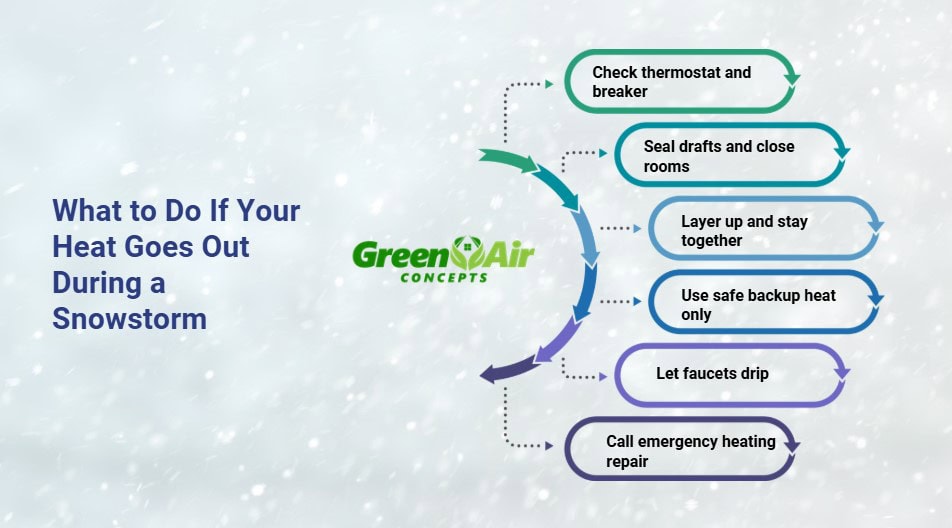
- Check your thermostat. Make sure it is on “heat” mode and set a few degrees higher than the current room temperature.
- Inspect the breaker box. Sometimes, a tripped circuit is all that stands between you and warmth.
- Look at the furnace switch. It should be in the “on” position. Many homeowners mistake this switch, often located near the unit, for a light switch.
- Check filters and vents. A clogged filter or blocked vent can cause overheating and shut down the system.
If these steps don’t solve the problem, it is time to call for emergency heating repair. Do not attempt to open panels or fix electrical components yourself, especially during severe weather.
Step 2: Preserve Heat Inside Your Home
Once the system is off, your goal is to trap as much warmth as possible. Every bit of heat counts during a snowstorm:
- Keep doors and windows closed. Avoid opening them unless absolutely necessary.
- Seal drafts. Use towels or blankets to cover gaps under doors and around windows.
- Close off unused rooms. Focus on heating one or two main areas where your family can stay together.
- Use sunlight. Open curtains during the day to let natural light warm your space, then close them tightly after sunset.
These small adjustments help maintain indoor temperatures longer and prevent rapid heat loss.
Step 3: Use Backup Heat Sources Wisely
It’s natural to reach for alternative heating methods when your furnace stops working, but safety should always come first. If you have a gas fireplace, wood stove, or generator, use it cautiously:
- Never use ovens or stoves for heat. Gas appliances can produce dangerous carbon monoxide.
- Avoid portable fuel-burning heaters indoors unless they are specifically rated for indoor use and properly ventilated.
- If using a generator, place it outside and away from windows, vents, and doors. Never run it in a garage or enclosed space.
- Layer up. Wear warm clothing, blankets, and hats to retain body heat instead of relying solely on supplemental heaters.
Staying warm safely is more important than pushing your system beyond its limits.
Step 4: Prevent Frozen Pipes
When indoor temperatures drop below 55°F, your plumbing becomes vulnerable to freezing. To reduce the risk:
- Let faucets drip slightly to keep water moving through pipes.
- Open cabinet doors under sinks to allow warm air to circulate.
- Know where your main water shutoff valve is. If a pipe bursts, you’ll need to act fast to stop the flow and minimize damage.
Keeping your home’s plumbing warm can save you from expensive repairs once power and heat are restored.
Step 5: Contact an HVAC Professional
Once you’ve taken initial safety steps, contact a local heating contractor near you for emergency service. Green Air Concepts offers fast, reliable HVAC repair throughout Ardmore, Bala Cynwyd, and the surrounding Main Line suburbs. Our technicians can often restore heat quickly by diagnosing the cause, whether it’s an electrical failure, a frozen component, or a gas supply issue.
If the outage is caused by a power failure, we can inspect your system once electricity returns to ensure it restarts safely. Attempting to relight pilot lights or restart furnaces on your own can be risky, especially in freezing temperatures.
Step 6: Prepare for Future Storms
After your system is back up and running, take steps to prevent the same issue next time. Schedule a heater tune-up each fall to identify problems before cold weather hits. A professional inspection ensures your furnace, heat pump, or boiler is ready to handle heavy use. You can also:
- Install a smart thermostat to alert you if indoor temperatures drop suddenly.
- Add insulation around pipes, basements, and attics to retain heat better.
- Keep your HVAC filters clean to prevent system strain.
- Invest in a backup generator if your area experiences frequent power outages.
Preparation reduces stress and keeps your home safe, even in harsh weather conditions.
Why Professional Maintenance Matters
A well-maintained heating system is far less likely to fail when you need it most. During a furnace maintenance visit, Green Air’s technicians clean critical components, check for gas leaks, and test ignition systems to ensure reliable performance. We also inspect ductwork and ventilation to improve efficiency and airflow. Regular care not only prevents breakdowns during snowstorms but also helps lower your heating bills all winter long.
How Professional Maintenance Protect Your System Long-Term
When your heating system fails during severe winter weather, the immediate goal is restoring warmth. However, preventative maintenance also provides long-term protection for your equipment. A trained technician can identify underlying issues that often go unnoticed, such as weakened electrical components, airflow restrictions, or early signs of heat exchanger damage. Addressing these problems promptly helps prevent recurring breakdowns, extends the lifespan of your furnace or heat pump, and improves overall system safety. For homeowners in Ardmore and the surrounding Main Line suburbs, timely repairs ensure your heating system operates reliably through every cold snap and snowstorm.
Key Takeaways to Stay Warm and Safe
- Stay calm and troubleshoot the system first by checking your thermostat, breaker box, furnace switch, filters, and vents.
- If the system does not restart, call a professional for emergency heating repair; do not attempt electrical fixes yourself.
- Preserve the heat inside your home by closing all doors and windows, sealing drafts with towels, and closing off unused rooms.
- When using backup heat, only use indoor-rated sources; never use ovens or stoves for heat.
- Always run a generator outside, away from windows and doors, to prevent carbon monoxide poisoning.
- Prevent frozen pipes by letting a faucet drip slightly and opening cabinet doors under sinks for warm air circulation.
- Protect your system from future failures by scheduling a professional heater tune-up every fall and keeping HVAC filters clean.
Stay Safe and Warm with Green Air Concepts
When your heat goes out in the middle of a snowstorm, quick action and expert support can make all the difference. Green Air Concepts is your trusted heating contractor in Ardmore and the Main Line, ready to respond with professional repairs, maintenance, and long-term comfort solutions.
Whether you need emergency heating repair, furnace service near you, or advice on preventing winter breakdowns, our team is here to help, day or night.
Contact Green Air Concepts today to restore warmth, protect your home, and keep your family safe through every Pennsylvania winter storm.