
How Insulation and Air Leaks Affect Your Heating System’s Lifespan
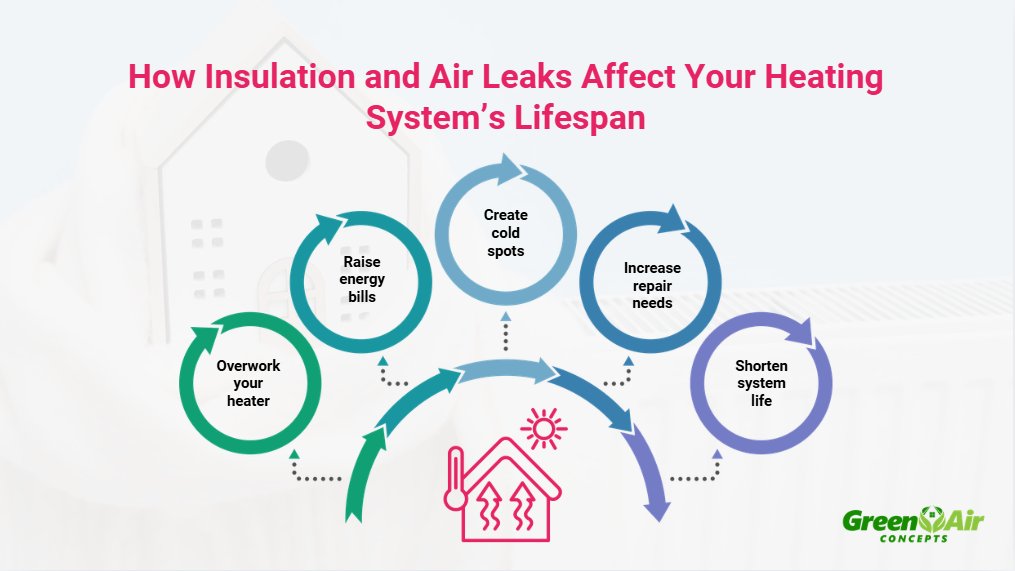
How insulation and air leaks affect your heating system’s lifespan is a question many homeowners in Ardmore and the Main Line suburbs do not consider until comfort drops or heating costs climb. Your heating system is designed to warm your home efficiently, but it can only do that when heat stays inside and cold air stays out. When insulation is weak or air leaks are present, your system must run longer and harder to maintain the temperature you set. Over time, that extra workload leads to more wear on critical components, more frequent repairs, and a shorter overall lifespan for your equipment. Understanding this connection helps homeowners protect their comfort, control energy costs, and avoid premature system replacement during Pennsylvania winters.
Why Heat Loss Forces Your System to Work Overtime
Every heating system is sized to match the heating needs of a home under normal conditions. Proper insulation and sealed building envelopes allow that system to reach and maintain the desired temperature without excessive strain. When heat escapes through poorly insulated walls, attics, or crawl spaces, and cold air sneaks in through gaps around windows and doors, the balance is lost. The system senses that the home is not warm enough and continues running in an attempt to compensate.
This extended run time increases fuel or electricity use, which is one reason heating bills often spike in winter. More importantly, it places constant stress on components such as burners, heat exchangers, blower motors, and control boards. These parts are designed for regular cycling, not nonstop operation. When they are pushed beyond normal limits for months at a time, the risk of breakdown rises and the expected lifespan of the system shortens.
Homeowners in Newtown Square, Bala Cynwyd, and Villanova often notice that some rooms never feel warm enough, even when the thermostat is set higher. This usually leads to turning the temperature up again, which only increases the workload on the system. A well-insulated and properly sealed home allows your heating equipment to do its job efficiently, rather than fighting a constant battle against heat loss.
The Role of Insulation in Protecting Your Heating Equipment
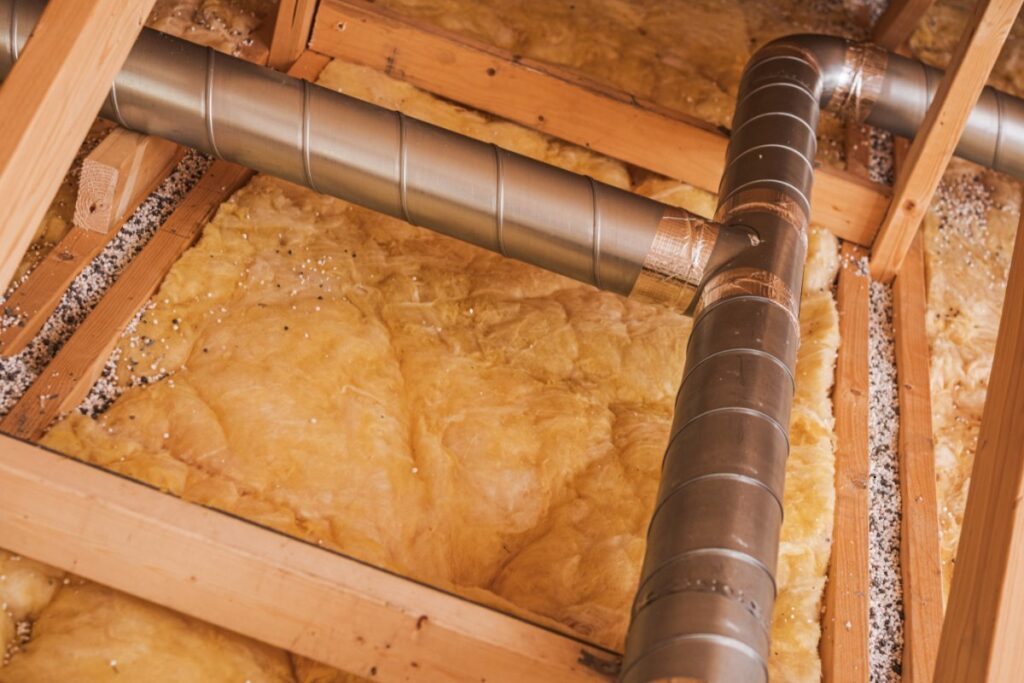
Insulation acts as a thermal barrier that slows the movement of heat out of your home. In winter, this barrier keeps the warmth produced by your heating system where it belongs. Without adequate insulation, heat escapes quickly through the roof, walls, and floors, especially in older Main Line homes that were built before modern energy standards.
When insulation is insufficient, your heating system must replace that lost heat again and again. This repeated demand increases wear on internal parts and raises the likelihood of issues such as overheating, short cycling, or premature component failure. Over time, even a well-built system can suffer from the constant strain of compensating for a poorly insulated structure.
Improving insulation does more than reduce energy bills. It stabilizes indoor temperatures, reduces how often your system needs to run, and creates gentler operating conditions for your equipment. Homeowners who invest in insulation upgrades often find that their systems run quieter, maintain comfort more easily, and require fewer repairs over the years. This is one of the simplest ways to protect the long-term value of your heating investment.
How Air Leaks Undermine Efficiency and Reliability
Air leaks are the hidden pathways that allow cold outdoor air to enter and warm indoor air to escape. Common problem areas include window frames, door thresholds, attic hatches, and gaps around plumbing or electrical penetrations. Even small openings can add up to significant heat loss over the course of a winter.
When cold air enters the home, it creates drafts and uneven temperatures. The thermostat responds by calling for more heat, which keeps the system running longer. This constant cycling increases fuel consumption and accelerates wear on ignition systems, motors, and sensors. In some cases, severe air leakage can cause temperature imbalances that lead to short cycling, where the system turns on and off more frequently than it should. Short cycling is particularly hard on equipment because it increases start-up stress and reduces overall efficiency.
Sealing air leaks is often one of the most cost-effective improvements a homeowner can make. It reduces drafts, improves comfort, and allows the heating system to operate under steadier conditions. For homeowners searching for HVAC maintenance, a professional inspection can identify these problem areas and recommend practical solutions.
The Link Between Heat Loss and Repair Frequency
Heating systems that operate under constant strain are more likely to need service. Motors wear out faster, heat exchangers experience more thermal stress, and control components are pushed beyond their normal duty cycles. This is why homes with poor insulation and significant air leakage often see more frequent repair calls.
Many homeowners assume that repeated issues mean the system itself is low quality or nearing the end of its life. In reality, the building conditions may be the root cause. A system that is forced to run nearly nonstop every winter will naturally show signs of fatigue earlier than one that operates in a well-sealed, well-insulated home.
For residents who find themselves searching for heater repair or furnace repair more often than expected, it is worth looking beyond the equipment and evaluating the home’s envelope. Addressing insulation and air sealing issues can reduce the number of breakdowns and help existing equipment last longer.
How Insulation and Air Sealing Improve Comfort in Main Line Homes
Comfort is not only about the temperature on the thermostat. It is also about how evenly that heat is distributed and how stable the indoor environment feels. Poor insulation and air leaks create cold spots, drafts, and temperature swings that make homes feel uncomfortable even when the heating system is running.
In Ardmore and surrounding Main Line suburbs, winter weather can shift quickly from mild to bitterly cold. A well-insulated and tightly sealed home handles these changes more smoothly. Rooms stay closer to the set temperature, floors feel warmer, and drafts are reduced. This stable environment means the heating system does not need to overreact to every cold gust of wind or temperature drop.
Better comfort also reduces the temptation to constantly adjust the thermostat. Fewer adjustments mean fewer extreme demands on the system, which supports longer equipment life and more predictable performance throughout the season.
The Long-Term Financial Impact of Ignoring Heat Loss
Ignoring insulation and air leaks does not only affect comfort and equipment health. It also has a long-term financial impact. Higher energy bills are the most obvious cost, but they are only part of the picture. More frequent repairs, earlier system replacement, and potential emergency service calls add up over time.
When a system fails during extreme cold, homeowners may need emergency heating repair, which is often more expensive and stressful than planned maintenance. In some cases, the cumulative cost of repairs and high operating expenses can approach the cost of a new system, even though the existing equipment could have lasted longer under better conditions.
Investing in insulation improvements and air sealing is a way to protect both your home and your heating system. These upgrades reduce operating costs, improve reliability, and help ensure that when you do eventually consider HVAC replacement, it is because the system has reached the end of its natural life, not because it was worn out prematurely.
When to Consider a Professional Evaluation
Homeowners should consider a professional evaluation if they notice persistent drafts, uneven temperatures, or rising heating bills that do not match their usage. These signs often point to heat loss issues rather than equipment failure alone. A qualified technician can assess insulation levels, check for air leaks, and evaluate how these factors are affecting system performance.
For those working with a trusted heating contractor, this type of whole-home approach provides clearer answers and more effective solutions. It shifts the focus from repeatedly fixing symptoms to addressing the underlying causes of system strain.
In many cases, combining air sealing, insulation improvements, and routine service such as air conditioning tune up creates a noticeable improvement in comfort and reliability within a single season.
How This Connects to Broader HVAC Care
Insulation and air sealing are part of a bigger picture of responsible HVAC care. Clean filters, proper airflow, and regular inspections all work together with a well-sealed home to create ideal operating conditions. When one part of this system is neglected, the others must work harder to compensate.
Homeowners who invest in both building improvements and equipment maintenance often see the best results. Their systems run more efficiently, require fewer repairs, and provide more consistent comfort. This balanced approach also makes future decisions about heating installation clearer and more strategic.
Key Takeaways
- Poor insulation and air leaks force heating systems to run longer and harder.
- Extra workload increases wear on motors, heat exchangers, and controls.
- Sealing leaks and improving insulation reduces energy costs and repair needs.
- Better building conditions improve comfort and stabilize system performance.
- Protecting your home’s envelope helps extend the lifespan of your heating system.
How insulation and air leaks affect your heating system’s lifespan is not just a theory. It shows up every winter in the form of higher bills, uneven comfort, and more frequent service calls. By keeping heat inside where it belongs and blocking cold air from entering, you allow your heating system to operate under the conditions it was designed for. This reduces strain, improves efficiency, and helps your equipment last as long as possible. If you want to protect your comfort and your investment.
Contact Green Air for HVAC maintenance near me and let our team help you create a warmer, more efficient, and more reliable home for the winters ahead.
Need HVAC Service?
Contact the experts at Green Air Concepts.
Call us at 484.222.1233